What Is a Pallbearer? A Complete Guide
When attending or planning a funeral, you may hear the term pallbearer used, but many people are unsure what it actually means or what the role involves. At FP Gaunts and Sons, we understand that funerals can feel unfamiliar and overwhelming, so this guide explains everything you need to know in a clear and respectful way.
What Is a Pallbearer?
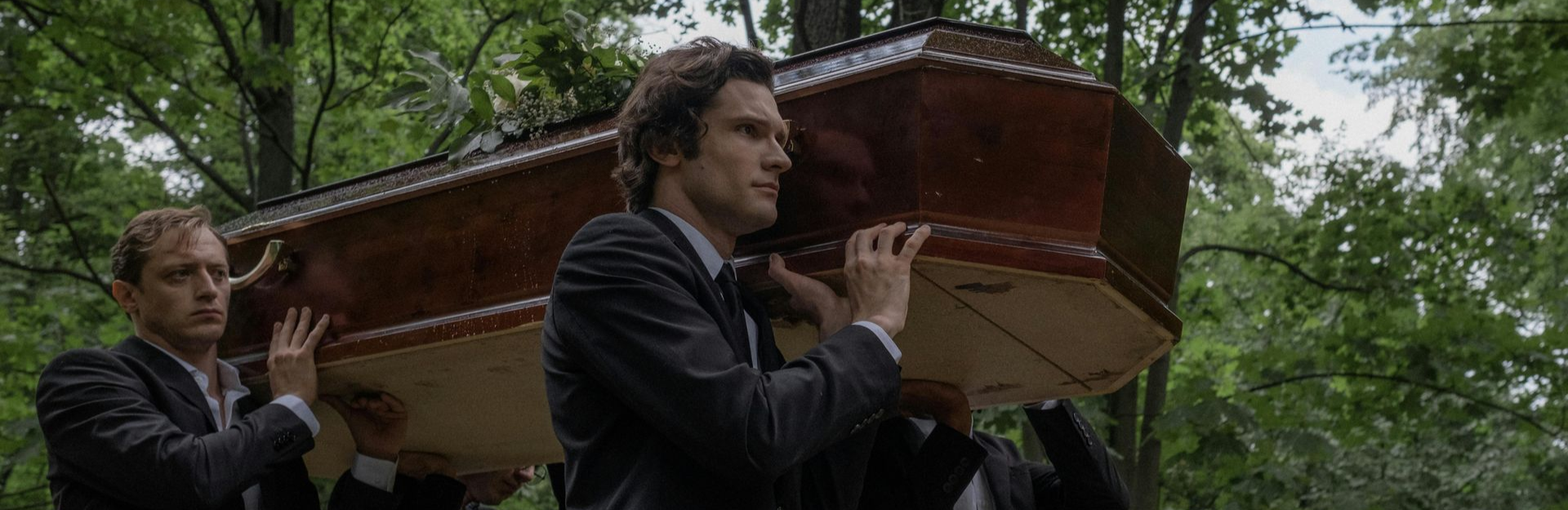
A pallbearer is a person who helps carry or escort the coffin (also called the casket) during a funeral service. Their role is both practical and symbolic. Practically, they help move the coffin. Symbolically, they represent support for the deceased and their family as they say their final farewell.
Pallbearers are usually chosen by the family and are often close friends, relatives, or colleagues of the person who has passed away.
What Does a Pallbearer Do?
The main responsibility of a pallbearer is to carry or assist in carrying the coffin at different stages of the funeral. This may include:
- Carrying the coffin from the hearse into the funeral venue
- Moving the coffin during the service
- Carrying it from the venue to the burial site or crematorium
- Sometimes placing the coffin into position
In some modern funerals, especially when a coffin is heavy or distance is long, pallbearers may mainly guide or support the coffin using handles or wheels, rather than carrying the full weight for long distances.
How Do Pallbearers Carry a Coffin?
Pallbearers typically carry a coffin using designated handles on the sides. Depending on the coffin type, there are usually six or eight handles, meaning:
- 6 pallbearers = one at each handle
- 8 pallbearers = two extra for balance or support
They walk slowly and in step with one another to keep the coffin steady. Funeral directors will always guide pallbearers beforehand to ensure they feel comfortable and confident with the process.
In some cases, a funeral trolley or bier is used, meaning pallbearers simply guide the coffin rather than physically carrying all of the weight.
How Many Pallbearers Are Needed?
The number of pallbearers can vary, but the most common arrangements are:
- 4 pallbearers (less common, usually with lighter coffins or shorter distances)
- 6 pallbearers (the traditional standard in the UK)
- 8 pallbearers (for larger coffins or added support)
The funeral director will advise on what is most appropriate.
Where Do Pallbearers Sit at a Funeral?
Pallbearers are usually seated in a reserved area near the front of the funeral service. This allows them to easily take part in carrying the coffin when needed. In some services, they may be asked to sit together on one side or in a designated row.
If you are acting as a pallbearer, the funeral director or celebrant will guide you before the service begins.
How to Be a Pallbearer
Being asked to be a pallbearer is an honour, but it can also feel like a big responsibility. Here are a few key tips:
- Wear appropriate funeral attire (usually dark, formal clothing)
- Arrive early so you can receive instructions
- Listen carefully to the funeral director’s guidance
- Move slowly and in sync with other pallbearers
- Stay calm and take your time, there is no rush
Most importantly, remember that funeral staff are there to support you throughout.
Why Is It Called a Pallbearer?
The term pallbearer comes from the word “pall,” which was a decorative cloth used in historical funerals to cover a coffin or body. The “bearers” were those who carried or supported the pall (and the coffin underneath it). Over time, the term evolved to refer specifically to those who carry the coffin itself.
Can Women Be Pallbearers?
Yes, women can absolutely be pallbearers. There are no restrictions based on gender. Anyone chosen by the family who feels able and willing to take on the role can serve as a pallbearer.
What Is a Female Pallbearer Called?
There is no separate term for a female pallbearer. Women who carry a coffin are simply called pallbearers, just like men. The role is the same regardless of gender.
The Importance of Pallbearers
Pallbearers play an important and meaningful role in a funeral service. Whether carrying or guiding the coffin, they provide dignity, support, and respect during one of the most significant moments of a farewell.
At FP Gaunts and Sons, we are here to guide families and participants through every step of the funeral process with care and understanding. If you are ever unsure about your role as a pallbearer, our team will always be on hand to support you.