What Does a Funeral Director Do?
A Guide for Families
When someone close to you dies, there can be many practical decisions to make at a time when you may be feeling overwhelmed. A funeral director is there to provide professional guidance and support, helping you understand your options and making the arrangements as straightforward as possible.
But what does a funeral director actually do?
From caring for the deceased and arranging transportation to organising the funeral service and helping with paperwork, funeral directors manage many of the practical aspects of a funeral. They also provide reassurance and support to families throughout the process.
In this guide, we explain what a funeral director does and how they can help when arranging a funeral.
What Is a Funeral Director?
A funeral director is a professional who helps families arrange and conduct a funeral following the death of a loved one. Their role involves both practical responsibilities and supporting bereaved families through what can be a difficult and unfamiliar process.
The National Careers Service describes funeral directors as professionals who organise burials and cremations while supporting people who have lost someone close to them. Their responsibilities can include arranging the date, time and location of a funeral, organising transport and flowers, advising on burial and cremation options, and ensuring the family's wishes are followed.
Every funeral is different, and a funeral director will work with the family to understand their wishes and help create an appropriate and personal service.
What Does a Funeral Director Do?
A funeral director can be involved in almost every practical aspect of arranging a funeral. Their responsibilities may include:
1. Bringing the Deceased Into Funeral Care
One of the first responsibilities of a funeral director may be arranging for the deceased to be transferred from their place of death into funeral care.
This could be from a hospital, care home or private residence. Funeral directors handle this with care and dignity, ensuring the deceased is looked after appropriately before the funeral.
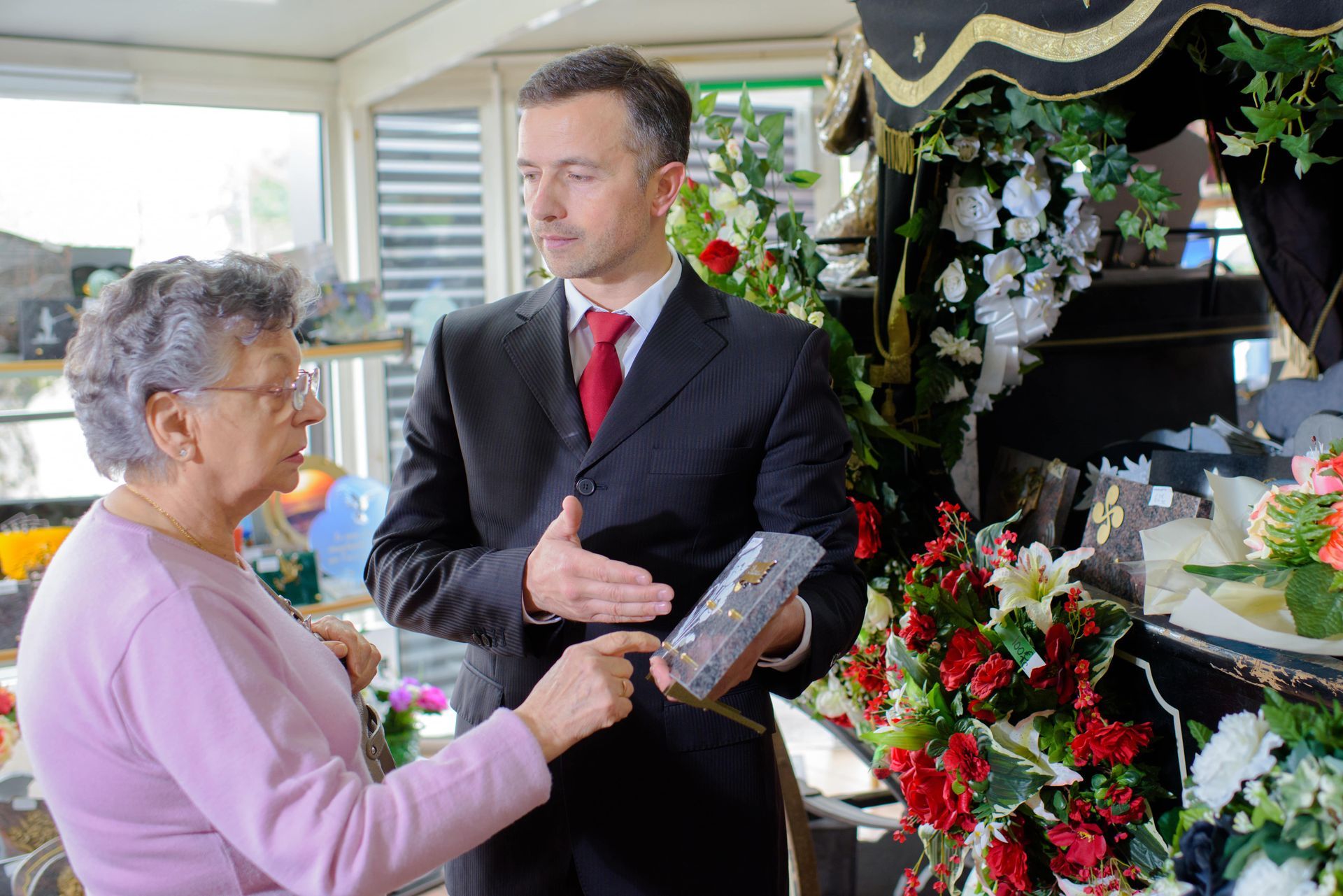
2. Helping Families Make Funeral Arrangements
There are many decisions to make when arranging a funeral, including whether to choose a burial or cremation, where the service will take place and what type of ceremony is appropriate.
A funeral director will explain the available options and help families make decisions based on their wishes, circumstances, beliefs and budget.
Funerals can take many forms, including religious services, civil or Humanist ceremonies, graveside services and direct cremations.
The funeral director's role is not to make these decisions for you, but to provide the information and practical support you need to make choices that feel right for your family.
3. Organising the Funeral Service
Once the main decisions have been made, the funeral director will coordinate the arrangements.
This can include organising:
- The date and time of the funeral
- The funeral venue, crematorium or cemetery
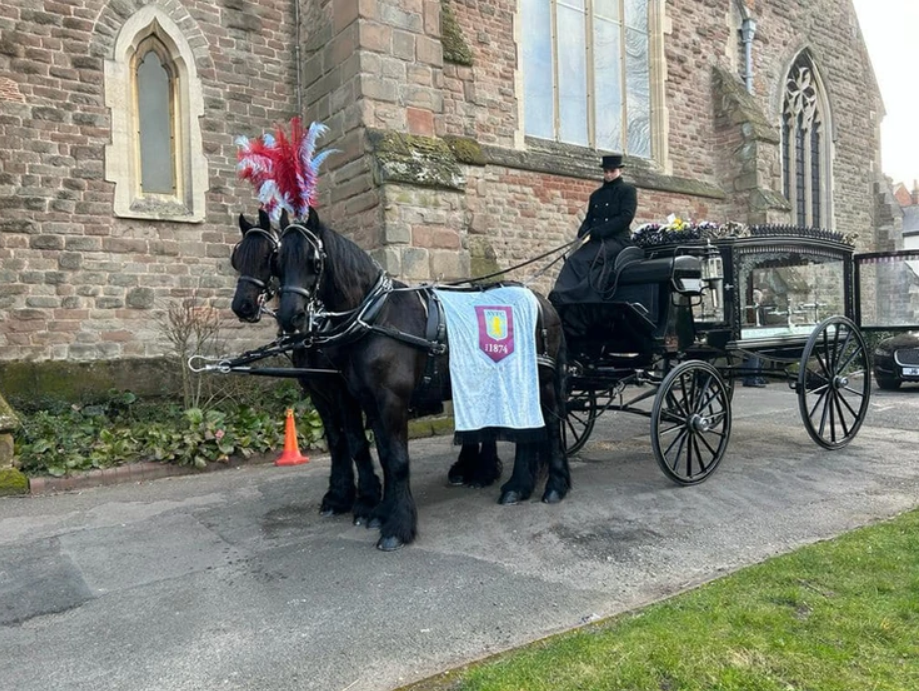
- The hearse and other funeral vehicles
- Coffins or caskets
- Funeral flowers and floral tributes
- Orders of service and other stationery
- A celebrant, minister or other person to conduct the service
- Music and other personal elements
- Transport for the family
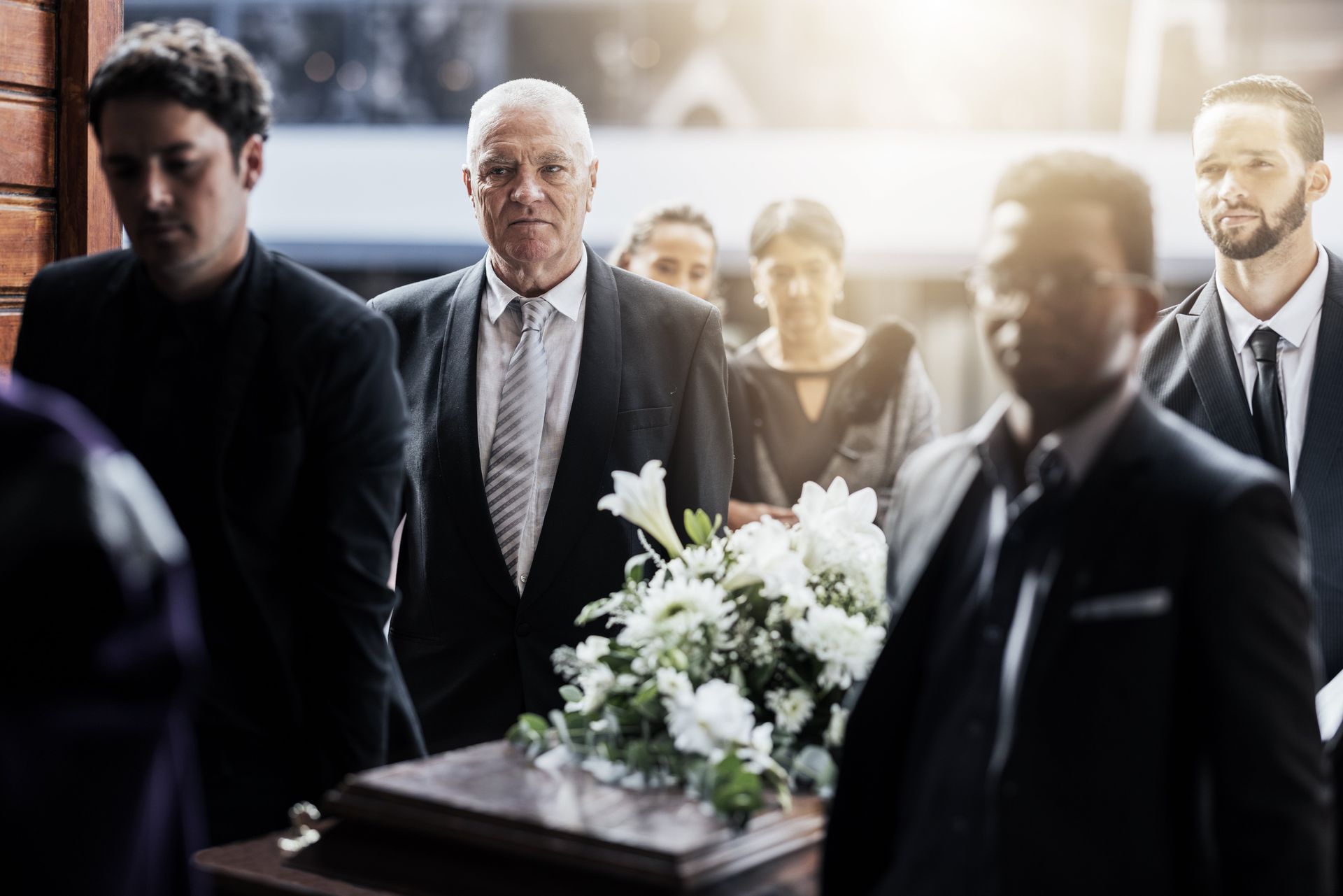
- Pallbearers and other funeral staff
The funeral director will communicate with the relevant organisations and suppliers to help ensure that everything is organised for the day.
4. Providing Guidance With Paperwork
There are various administrative tasks that need to be completed following a death. Depending on the circumstances, this can involve communicating with registrars, crematoria, cemeteries and other organisations.
Funeral directors can provide practical guidance and help families understand what needs to be done and when.
At FP Gaunt & Sons, we provide guidance on the practical and legal steps involved following a death, as well as coordinating with third parties such as crematoria and cemeteries.
It is important to remember that the funeral director does not replace organisations such as the registrar. Instead, they help families understand the process and coordinate the funeral arrangements.
5. Looking After the Deceased
A funeral director's responsibilities extend beyond organising the funeral itself. They also have an important role in caring for the deceased.
This includes ensuring the deceased is treated with dignity and respect while in funeral care and making appropriate arrangements ahead of the funeral.
Depending on the family's wishes and the type of funeral, this may also involve arranging a viewing in a Chapel of Rest.
A Chapel of Rest provides a private and peaceful setting where family and friends can spend time with their loved one before the funeral.
6. Arranging the Funeral Procession
Funeral directors are responsible for coordinating the practical details of the funeral procession.
This may involve arranging the hearse, following vehicles and the route to the funeral service, cemetery or crematorium.
On the day itself, the funeral director and their team will help ensure that the funeral proceeds respectfully and according to the arrangements agreed with the family.
7. Helping Personalise the Funeral
A funeral does not have to follow one particular format. Many families choose to include personal details that reflect the life, personality and wishes of the person who has died.
A funeral director can help families consider ways to personalise a service, such as:
- Choosing meaningful music
- Displaying photographs
- Selecting particular readings or poems
- Arranging personalised floral tributes
- Choosing a particular type of coffin
- Including a eulogy or personal tribute
- Selecting a preferred funeral vehicle
- Incorporating religious, cultural or family traditions
The aim is to create a funeral that feels appropriate and meaningful to the person being remembered.
8. Supporting the Family on the Day
A funeral director's work does not stop once the arrangements have been made.
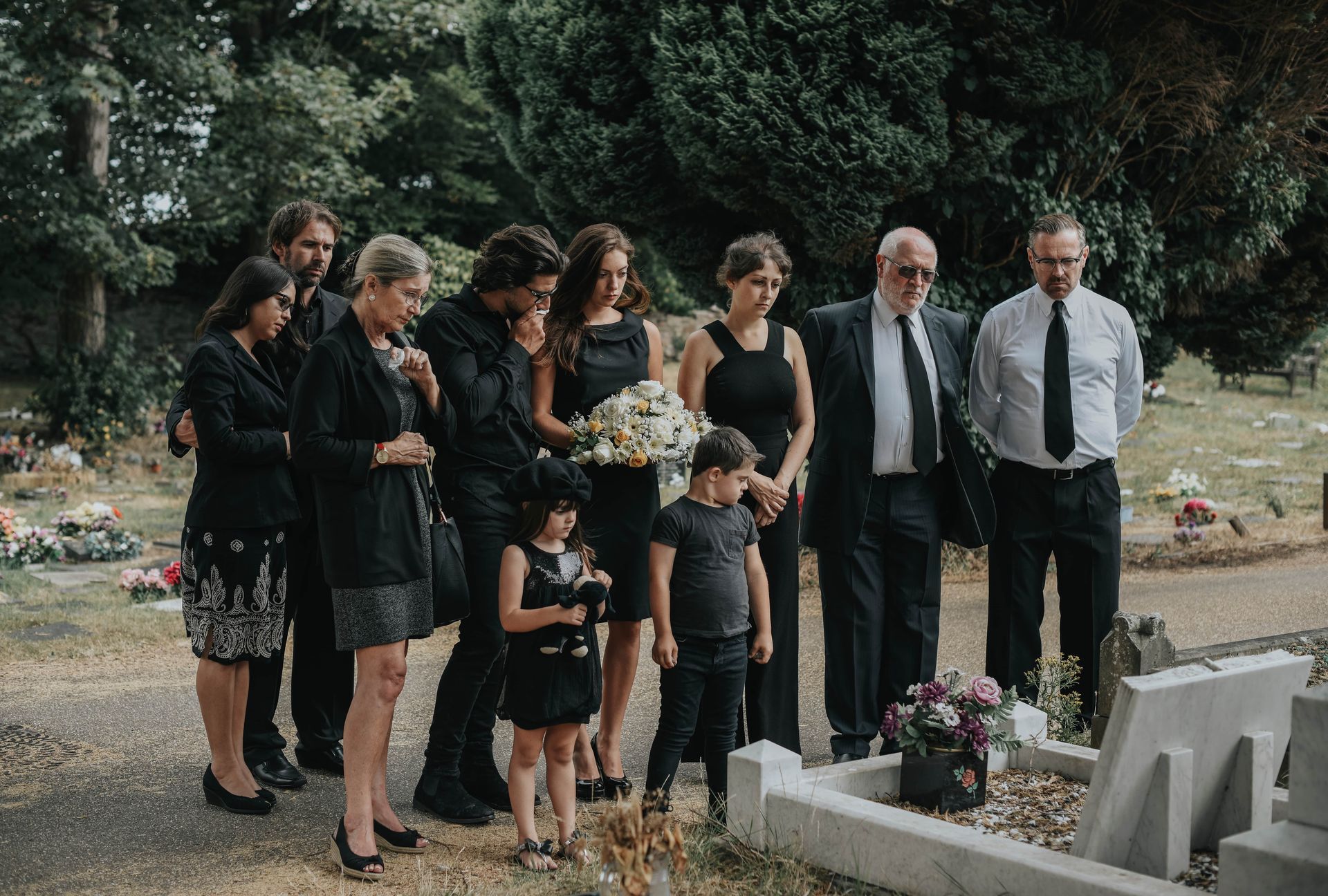
On the day of the funeral, they will help coordinate the proceedings and make sure the arrangements are carried out as planned. They can guide family members and mourners through the different stages of the funeral and deal with practical matters as they arise.
This can provide reassurance to families, allowing them to focus on saying goodbye to their loved one rather than worrying about the logistics of the day.
Do Funeral Directors Provide Bereavement Support?
Funeral directors are not usually counsellors or therapists, but supporting bereaved families is an important part of their role.
A good funeral director will listen to your wishes, answer questions and provide compassionate guidance throughout the funeral arrangement process.
Some funeral directors may also be able to signpost families towards specialist bereavement support where appropriate.
At FP Gaunt & Sons, we understand that grief does not end when the funeral is over. We can provide information about further bereavement support and signpost families towards appropriate services when needed.
Do Funeral Directors Arrange Cremations and Burials?
Yes. Funeral directors can help arrange both cremations and burials.
If you are considering a cremation, they can explain the options available and coordinate with the crematorium. If you choose a burial, they can help arrange the cemetery or burial ground and coordinate the relevant arrangements.
There are also different types of funeral services available, from traditional religious funerals to civil ceremonies and simpler arrangements such as direct cremation.
Your funeral director should explain the available choices so you can make an informed decision.
How Does a Funeral Director Help After Someone Dies?
In simple terms, a funeral director helps take care of the practical arrangements following a death.
Their role can include:
- Bringing the deceased into funeral care.
- Meeting with the family to discuss their wishes.
- Explaining burial and cremation options.
- Helping with necessary paperwork and arrangements.
- Organising the coffin, hearse and other funeral services.
- Coordinating with crematoria, cemeteries, clergy and celebrants.
- Arranging flowers, stationery, transport and other personal details.
- Looking after the deceased before the funeral.
- Coordinating the funeral on the day.
- Providing guidance and support to the family throughout the process.
The exact services offered will vary between funeral directors, so it is always worth asking what is included when making arrangements.
How Do I Choose a Funeral Director?
Choosing a funeral director is a personal decision. You may want to consider their experience, reputation, range of services, approach to care and transparency around costs.
It can also be helpful to choose a funeral director with local knowledge and an understanding of the cemeteries, crematoria and places of worship in your area.
Professional standards are another consideration. The National Association of Funeral Directors (NAFD) promotes standards of care and professionalism across the UK funeral profession, and its members are required to follow its Funeral Director Code.
Most importantly, you should feel comfortable asking questions and discussing your wishes with your chosen funeral director.
How FP Gaunt & Sons Can Help
At FP Gaunt & Sons, we have been supporting families in the Black Country and surrounding areas for more than 125 years. We understand that arranging a funeral can feel overwhelming, particularly when you are grieving, which is why our experienced team is here to provide caring and considered advice throughout the process.
Whether you are arranging a traditional burial, cremation or another type of funeral, we can help you understand your options and make arrangements that reflect the wishes of your loved one.
If you are unsure where to start or would simply like to discuss your options, our team is available to provide confidential advice and support.
Contact FP Gaunt & Sons to discuss your funeral arrangements.
Frequently Asked Questions
What is the main role of a funeral director?
The main role of a funeral director is to arrange and coordinate a funeral while caring for the deceased and supporting the bereaved family. This can include transportation, paperwork, funeral services, burial or cremation arrangements and coordination on the day of the funeral.
Does a funeral director arrange everything for you?
A funeral director can manage many of the practical arrangements, but the family will usually make important decisions about the type of funeral, service, burial or cremation and personal details. Your funeral director will explain your options and help coordinate the arrangements.
Can a funeral director help with paperwork?
Yes. Funeral directors can provide practical guidance about the paperwork and administrative steps involved following a death and coordinate with relevant organisations as part of arranging the funeral.
Do funeral directors arrange cremations?
Yes. Funeral directors can arrange cremations and liaise with the relevant crematorium. They can also explain the different funeral options available.
Do I have to use a funeral director?
There are circumstances where people can arrange some aspects of a funeral themselves. However, a funeral director can take care of many of the practical and logistical responsibilities and provide support during what can be a very difficult time.
What should I ask a funeral director?
You may want to ask about the funeral options available, what is included in the funeral cost, the arrangements for caring for the deceased, available coffins and transport, and any additional costs. Don't be afraid to ask questions if there is anything you are unsure about.
The body content of your post goes here. To edit this text, click on it and delete this default text and start typing your own or paste your own from a different source.